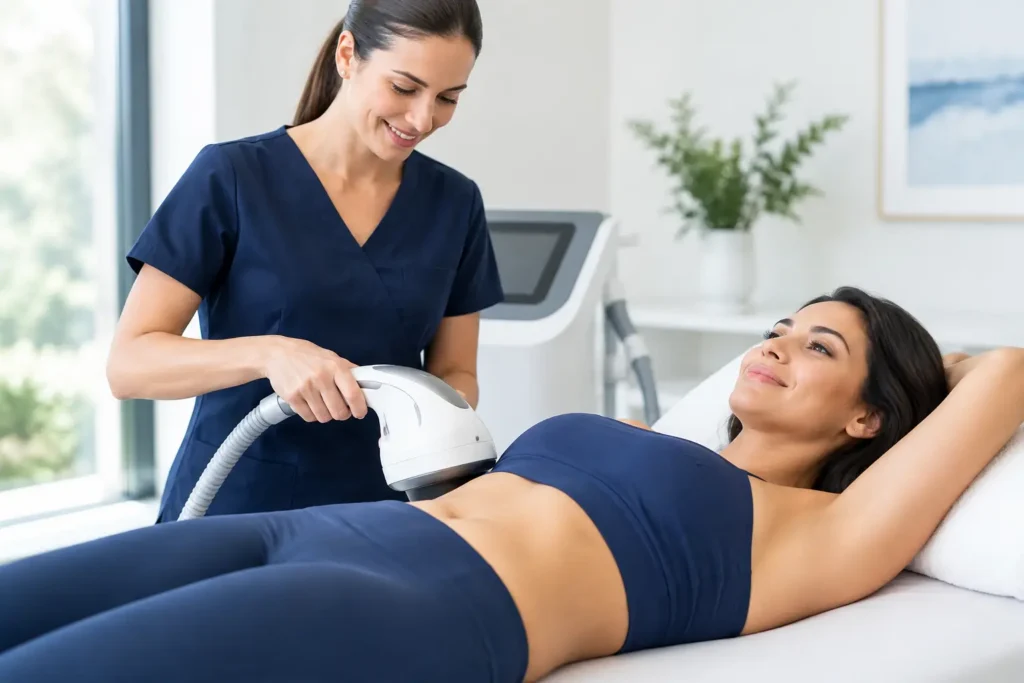
A healthy routine can change the number on the scale while leaving certain areas of the body looking unchanged. That is often where non surgical body contouring enters the conversation. These treatments may help refine localized areas of concern without incisions, anesthesia, or surgical recovery. They are not a substitute for weight loss or a shortcut around healthy habits, but they can be a useful part of a personalized body composition plan.
For many adults, the question is not simply how to look smaller. It is how to feel stronger, more confident, and more aligned with the work they are already putting into their health. The right answer depends on your goals, current health, body composition, and the factors that may be affecting fat storage, muscle mass, and recovery.
What Non Surgical Body Contouring Can Address
Non surgical body contouring refers to treatments designed to improve the appearance of specific areas without surgery. Depending on the technology and treatment plan, these approaches may target localized fat, support skin tightening, or improve the look of mild skin laxity and texture.
Common treatment areas include the abdomen, flanks, thighs, upper arms, back, and beneath the chin. The best candidates are often near a stable weight but have areas that seem resistant to nutrition and exercise efforts. These treatments are generally intended for contouring, not major weight reduction.
That distinction matters. If someone has a larger weight-loss goal, a metabolic and medical plan may be more appropriate before considering aesthetic contouring. A person who has already lost weight may have different needs, such as addressing skin quality or preserving lean muscle while refining their shape.
How Body Contouring Treatments Work
Different non-surgical technologies work in different ways. Some use controlled energy to affect fat cells beneath the skin. Others may stimulate collagen, a structural protein that helps give skin its firmness. Certain treatments focus more on skin tightening, while others are selected for small pockets of unwanted fat.
The body then gradually processes the affected tissue over time. Because this is a biological process, changes are not immediate, and every person responds differently. Your age, skin elasticity, treatment area, baseline body composition, activity level, and overall health can all influence the outcome.
A qualified provider should explain what a proposed treatment is designed to do and what it cannot reasonably do. For example, body contouring may help improve the shape of an area, but it cannot replace surgery when someone has significant excess skin or a concern that requires surgical correction.
Fat Reduction and Skin Tightening Are Different Goals
It is easy to group all aesthetic body treatments together, but reducing a small amount of localized fat and tightening loose skin are not the same objective. Some patients need one more than the other. Others may benefit from a plan that addresses both.
This is why an in-person assessment can be valuable. A provider can evaluate whether the concern is primarily fat, skin laxity, muscle definition, or a combination. Treating the wrong issue can lead to disappointment, even when the treatment itself was performed appropriately.
Why Body Composition Matters Before Treatment
The scale tells only part of the story. Two people at the same weight can have very different amounts of body fat, lean muscle, and visceral fat, which is fat stored deeper around the organs. These differences can affect health, appearance, energy, and how the body responds to a wellness plan.
At MedSmart Wellness Centers, a DEXA body composition scan may be used to provide a clearer picture of fat mass, lean mass, and bone health. This information can help guide a more thoughtful conversation about whether body contouring fits your goals or whether building muscle, improving metabolic health, or pursuing medically supervised weight loss should come first.
For instance, someone losing weight quickly without protecting lean muscle may not feel or look the way they expected. A plan that supports protein intake, resistance training, recovery, and appropriate medical follow-up may help create a healthier foundation for aesthetic treatments.
The Role of Hormones and Metabolic Health
Stubborn body changes are not always about willpower. Hormonal shifts, sleep disruption, stress, insulin resistance, menopause, low testosterone, medications, and changes in activity can all affect body composition.
Women in perimenopause or menopause may notice that fat distribution changes, especially around the midsection. Men with symptoms of low testosterone may experience lower energy, reduced muscle mass, and changes in body composition. Busy professionals may be exercising consistently but struggling with poor sleep and high stress, which can make recovery and weight management harder.
Non surgical body contouring may be one piece of the picture, but it cannot correct an untreated metabolic or hormonal issue. Lab work and a clinical evaluation can help identify factors worth addressing. When treatment decisions are based on your health data rather than a one-size-fits-all plan, the focus stays on long-term well-being as well as appearance.
Who May Be a Good Candidate?
A good candidate is typically an adult with realistic expectations who wants to refine a specific area rather than pursue substantial weight loss through an aesthetic procedure. They should be willing to maintain healthy habits and discuss their medical history openly with a provider.
You may be a candidate if you are close to a weight that feels sustainable, have localized areas of concern, and understand that results vary. You may need a different first step if you are currently pregnant, have certain medical conditions, have significant skin laxity, or are experiencing unexplained weight changes. A consultation is the appropriate place to review these details.
It is also worth considering timing. If you expect a major weight change soon, it may make sense to focus first on your health and weight-management plan. Contouring is often easier to evaluate when your weight and routine are relatively stable.
What a Personalized Plan Should Include
A body contouring consultation should feel more like a medical discussion than a sales presentation. Your provider should ask about your goals, health history, medications, weight changes, exercise habits, and previous treatments. They should also examine the area of concern and discuss whether non-surgical treatment is a sensible match.
A personalized plan may include diagnostics such as blood work or a DEXA scan when appropriate. It may also include support for weight management, hormone health, recovery, nutrition, and strength-building. Not every patient needs every service. The purpose is to identify what will most meaningfully support your goals.
At MedSmart Wellness Centers in Aventura, care can begin with a free consultation in person or by telemedicine. From there, the team can help determine whether body contouring belongs in a broader plan designed around your metabolism, body composition, and long-term health priorities.
What to Expect From Results
The most satisfying results tend to come from clear expectations. Non-surgical contouring may improve the appearance of selected areas, but it does not create a completely different body overnight. Results vary, and some people may need a series of treatments or may decide that another approach better fits their goals.
Maintaining your results also matters. Stable nutrition habits, regular movement, strength training, quality sleep, and appropriate medical support can all help protect the progress you make. If weight changes significantly after treatment, the appearance of the area can change as well.
A good provider will be honest about trade-offs. Non-surgical treatments generally involve less downtime than surgery, but they may produce more gradual and subtle changes. For many people, that is a worthwhile balance. For others, a different treatment path may be more appropriate.
Your body composition is not a measure of your worth. It is useful health information that can help guide better decisions. If you are considering non surgical body contouring, book a free consultation with MedSmart Wellness Centers or call (305) 842-2244 to discuss a plan that supports how you want to feel, function, and age.