
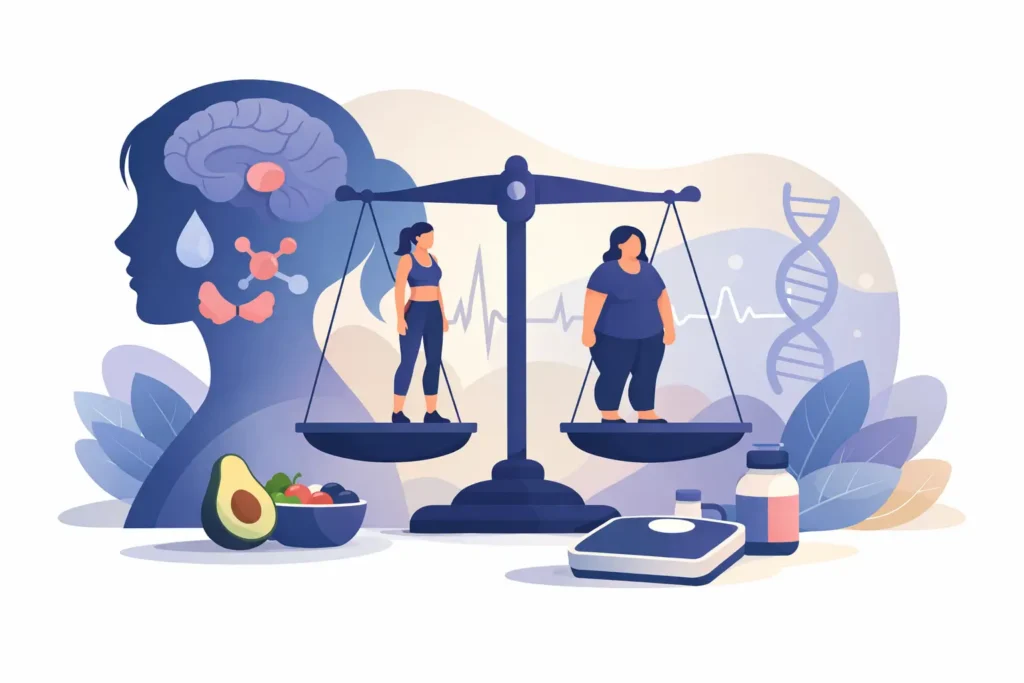
A changing number on the scale is not always a reflection of effort. If you are eating thoughtfully, exercising consistently, and still noticing stubborn body fat, low energy, or changes in muscle tone, you may reasonably ask: can hormones affect weight? They can. Hormones help regulate appetite, blood sugar, metabolism, sleep, stress response, muscle mass, and where your body tends to store fat.
That does not mean hormones are the only explanation for weight gain or that every plateau requires hormone treatment. Calorie intake, activity, medications, sleep, medical history, and age all matter. But when your body feels out of step with your habits, a medically guided evaluation can provide answers that generic diet advice cannot.
Can Hormones Affect Weight and Body Composition?
Hormones are chemical messengers that coordinate many of the systems involved in body composition. They influence how your body uses food for energy, how easily it accesses stored fat, how much lean muscle you maintain, and even how hungry or satisfied you feel after a meal.
Weight alone tells only part of the story. Two people can weigh the same yet have very different levels of body fat, muscle mass, visceral fat, and bone density. This is why a body composition assessment can be more revealing than a scale when the goal is to feel stronger, improve metabolic health, and create visible, sustainable changes.
A hormonal imbalance may make fat loss more difficult, but it is rarely a standalone diagnosis. The most effective approach looks at the full picture: symptoms, health history, lab work when clinically appropriate, body composition, lifestyle patterns, and treatment options that fit the individual.
The Hormones Most Closely Connected to Weight
Insulin and blood sugar regulation
Insulin helps move glucose from the bloodstream into cells for energy or storage. When the body becomes less responsive to insulin, often called insulin resistance, blood sugar can remain elevated and the body may be more likely to store excess energy as fat. Many people also experience stronger cravings, energy crashes, or increased hunger after high-carbohydrate meals.
Insulin resistance is associated with increased abdominal fat and can be influenced by genetics, sleep, stress, physical activity, nutrition, certain medications, and conditions such as polycystic ovary syndrome. It is not a character flaw, and it should not be treated as one. A personalized medical weight-management plan may include nutrition guidance, resistance training, metabolic monitoring, and, for appropriate candidates, physician-directed medication options.
Thyroid hormones and metabolic rate
Thyroid hormones play a major role in metabolic rate, which is the energy your body uses to maintain basic functions. An underactive thyroid, or hypothyroidism, can contribute to fatigue, constipation, feeling cold, dry skin, and modest weight gain or difficulty losing weight.
Thyroid concerns deserve proper testing and interpretation. Symptoms alone do not confirm a thyroid condition, and taking thyroid hormone without a clinical need can create serious health risks. If a thyroid imbalance is identified, appropriate treatment may improve symptoms and help restore a healthier metabolic baseline. It is not a shortcut for dramatic fat loss.
Cortisol, stress, and sleep
Cortisol is often called the stress hormone, but it is essential for normal health. It helps regulate blood pressure, blood sugar, inflammation, and the sleep-wake cycle. The problem is not cortisol itself. The concern is prolonged stress, disrupted sleep, or medical conditions that cause abnormal cortisol patterns.
Chronic stress can make weight management harder through several pathways. It can affect food choices, increase cravings for highly palatable foods, interfere with sleep, reduce recovery from training, and make regular routines harder to maintain. Some people notice more weight carried around the midsection, although body-fat distribution is influenced by many factors beyond cortisol.
A plan built only around willpower often fails when sleep and stress are ignored. Improving recovery, addressing sleep quality, and creating realistic nutrition and exercise routines can have a meaningful effect on both results and long-term adherence.
Estrogen changes in women
Estrogen affects fat distribution, appetite signaling, insulin sensitivity, and lean mass. During perimenopause and menopause, fluctuating and declining estrogen levels can coincide with increased abdominal fat, reduced muscle mass, sleep disruption, hot flashes, and changes in energy and mood.
These changes can be frustrating because the strategies that worked in a person’s 30s may no longer produce the same result in their 40s or 50s. The answer is not necessarily to eat less and exercise harder. For some women, a more strategic combination of protein intake, strength training, sleep support, metabolic care, and clinician-supervised hormone evaluation can be more productive.
Hormone therapy may be appropriate for some patients and inappropriate for others depending on symptoms, medical history, and individual risk factors. It should always be a personalized medical decision, not a trend-driven one.
Testosterone and lean muscle
Testosterone supports lean muscle mass, bone health, red blood cell production, libido, and energy in both men and women, though typical levels differ. In men, low testosterone may be associated with fatigue, lower exercise tolerance, decreased muscle mass, increased body fat, reduced libido, and mood changes.
Because muscle tissue uses more energy than fat tissue at rest, preserving or building lean mass supports a healthier body composition over time. Testosterone therapy is not a general weight-loss treatment, and it is not right for everyone. When a true deficiency is diagnosed, physician-led care can address symptoms while monitoring treatment carefully.
Why Weight Loss Plateaus Are Not Always Hormonal
It is easy to blame hormones when progress slows, but a plateau can have several explanations. As body weight decreases, the body often needs fewer calories than it did at a higher weight. Exercise routines may become less challenging over time, weekend intake may offset weekday consistency, or a busy schedule may reduce daily movement without you noticing.
Certain medications, including some antidepressants, steroids, diabetes medications, and contraceptives, can also affect appetite, fluid retention, or weight. Medical conditions, injury, alcohol intake, and insufficient protein can play a role as well.
This is where objective information matters. Instead of guessing, assess what is changing. Is body fat increasing, or are you retaining water? Is muscle mass declining? Has sleep worsened? Are there symptoms such as persistent fatigue, temperature sensitivity, irregular cycles, reduced libido, or unexplained changes in strength? A clinician can help determine whether additional testing is warranted.
A More Personalized Path to Weight Management
Successful weight management is not about chasing a single “perfect” hormone level. It is about identifying barriers and creating a plan your body and lifestyle can sustain. At MedSmart Wellness Centers, that process can begin with a consultation and body composition insights that move the conversation beyond the scale.
For some patients, the focus may be improving nutrition consistency and resistance training. For others, it may include addressing low testosterone, menopause-related symptoms, thyroid disease, insulin resistance, or medically appropriate GLP-1-based weight-management support. These options work best when paired with ongoing clinical oversight and habits that protect lean muscle, energy, and metabolic health.
A DXA body composition scan can be especially useful for tracking progress because it can help distinguish fat loss from muscle loss. That distinction matters. Losing weight quickly while losing significant lean mass may leave you weaker, less metabolically resilient, and more likely to regain weight later.
When to Talk With a Medical Professional
Consider a clinical evaluation if weight changes are sudden or unexplained, or if weight concerns occur alongside persistent fatigue, hair changes, disrupted sleep, irregular menstrual cycles, hot flashes, reduced libido, erectile concerns, anxiety, depressed mood, or a noticeable decline in strength. These symptoms do not automatically mean you have a hormone disorder, but they are worth discussing.
Bring a clear history of your symptoms, medications, sleep habits, nutrition pattern, and exercise routine. A thoughtful evaluation should not promise that one injection, supplement, or hormone protocol will solve every concern. It should help you understand the drivers behind your goals and create a measured path forward.
Your body is not failing you when progress feels difficult. With the right diagnostics, medical guidance, and a plan designed around your physiology, you can make decisions that support stronger performance, greater confidence, and health that lasts well beyond the next number on the scale.