
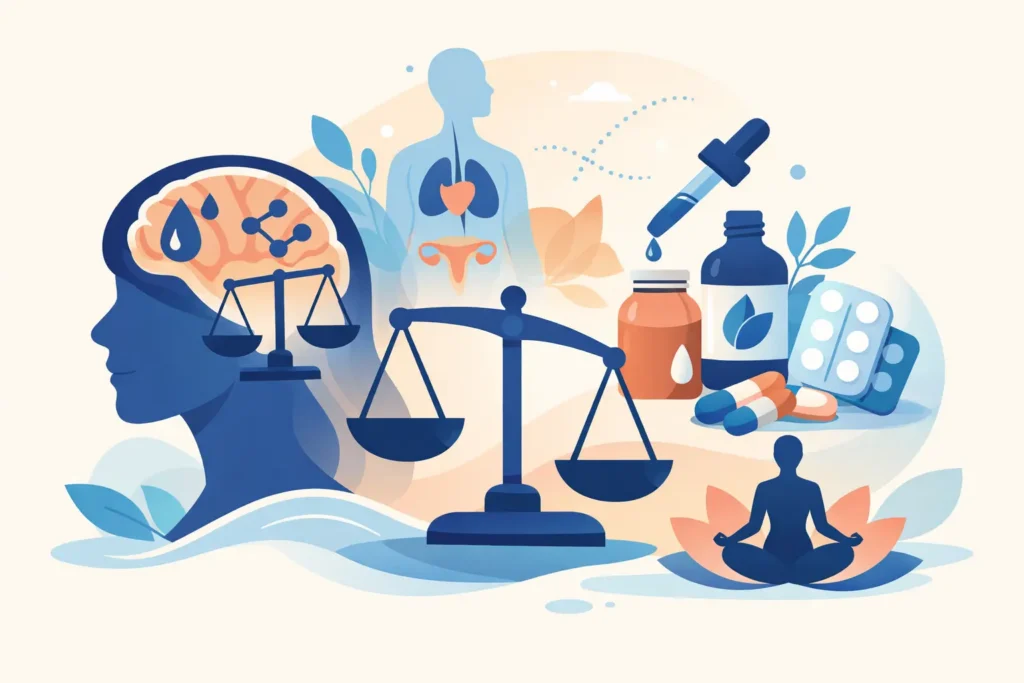
Feeling tired despite sleeping enough, gaining weight around the midsection, losing motivation in the gym, or noticing changes in mood and libido can feel disconnected at first. Often, they are not. The best treatments for hormonal imbalance begin by identifying what is actually changing in your body instead of chasing symptoms with a one-size-fits-all solution.
Hormones influence energy, metabolism, muscle maintenance, sexual function, sleep, skin, mood, and recovery. When levels shift, the goal is not simply to “fix a number” on a lab report. It is to understand the complete picture, address the underlying drivers where possible, and create a medically appropriate plan that helps you feel stronger, more confident, and more like yourself.
Why hormonal imbalance needs a personalized approach
Hormonal imbalance is a broad term, not a diagnosis by itself. Low testosterone, perimenopause and menopause, thyroid disorders, insulin resistance, elevated cortisol, polycystic ovary syndrome, medication effects, and poor sleep can all produce overlapping symptoms. The right treatment depends on your age, medical history, goals, current medications, symptoms, and lab findings.
This is why online symptom quizzes and over-the-counter “hormone boosters” can be misleading. Supplements may have a place for specific deficiencies, but they cannot replace a thoughtful medical evaluation. In some cases, self-treating can delay care for a thyroid condition, anemia, diabetes, sleep apnea, or another concern that deserves attention.
A quality evaluation usually combines a detailed health history with targeted blood work. Depending on the individual, testing may assess testosterone, estradiol, progesterone, thyroid markers, blood sugar regulation, lipids, vitamin levels, and other relevant measures. Body composition data can also add valuable context, especially when stubborn weight gain, reduced muscle mass, or metabolic health is part of the concern.
Best treatments for hormonal imbalance start with diagnosis
The most effective plan is built around the cause. For example, a patient with low energy and weight gain may need a different approach if the issue is underactive thyroid function versus insulin resistance, chronic stress, perimenopause, or low testosterone. Similar symptoms do not always call for the same treatment.
Hormone replacement therapy when clinically appropriate
Hormone replacement therapy, or HRT, may be an option for eligible patients experiencing symptoms related to menopause, perimenopause, or clinically confirmed hormone deficiency. For women, treatment may involve estrogen and, when indicated, progesterone. Properly selected therapy can help reduce hot flashes, night sweats, sleep disruption, vaginal dryness, mood changes, and other symptoms that affect quality of life.
For men with confirmed low testosterone and symptoms such as reduced libido, fatigue, diminished strength, low mood, and poor recovery, testosterone therapy may be considered. Treatment should never be based on symptoms alone or a single borderline result. A clinician should evaluate repeated lab findings, health history, fertility goals, prostate considerations, cardiovascular risk factors, and ongoing response to care.
Hormone therapy can be highly effective for the right patient, but it is not a universal anti-aging treatment. It requires individualized dosing, follow-up lab monitoring, and adjustments over time. The goal is to support healthy function and symptom improvement while prioritizing safety.
Metabolic and weight-management support
Hormonal health and metabolic health are closely connected. Insulin resistance, excess visceral fat, poor sleep, and low physical activity can contribute to hormone disruptions, while hormonal changes can make body composition goals more difficult to reach.
For patients who qualify, medically supervised GLP-1-based weight-management programs may support appetite regulation, weight loss, and improvements in metabolic markers. These medications are not a shortcut, and they work best alongside nutrition guidance, protein intake, resistance training, and a plan to preserve lean muscle. The trade-off is that some patients experience gastrointestinal side effects, and long-term success requires a realistic maintenance strategy.
A DEXA body composition scan can be especially helpful here. Scale weight alone cannot tell you whether progress is coming from fat loss, muscle loss, or changes in water weight. Understanding your lean mass and body fat distribution allows treatment decisions to focus on health, performance, and sustainable results rather than just a number on the scale.
Nutrition that supports the treatment plan
Food cannot correct every hormonal condition, but it has a meaningful effect on blood sugar stability, inflammation, body composition, and energy. Extreme dieting is often counterproductive. Consistently under-eating can impair training recovery, increase cravings, and make it harder to maintain muscle.
Most patients benefit from a nutrition strategy centered on adequate protein, fiber-rich carbohydrates, healthy fats, and regular meals that fit their lifestyle. The exact approach depends on metabolic markers, activity level, food preferences, digestive symptoms, and goals. Someone training intensely may need a different carbohydrate plan than someone managing insulin resistance.
Correcting nutrient deficiencies also matters. Low vitamin D, iron, B12, or other nutrients can mimic or worsen symptoms commonly blamed on hormones. Targeted supplementation should follow clinical guidance rather than guesswork.
Sleep, stress, and recovery optimization
Sleep is one of the most underappreciated parts of hormone care. Fragmented sleep can affect appetite hormones, insulin sensitivity, cortisol patterns, testosterone production, and recovery. If you wake frequently, snore, feel unrefreshed, or need excessive caffeine to function, those details belong in the conversation.
Stress does not always cause a hormonal condition, but chronic stress can intensify symptoms and undermine progress. Building recovery into a plan may mean setting a consistent sleep schedule, modifying an overly demanding exercise routine, incorporating stress-management practices, or assessing whether sleep apnea and other medical concerns are present.
The best plan is not necessarily the most aggressive plan. For a high-performing professional already juggling work, travel, and family, a sustainable routine that improves sleep and strength may deliver better long-term results than an unsustainable overhaul.
When peptides and wellness therapies may fit
Some patients explore peptide therapy, IV therapy, or vitamin injections to support goals such as recovery, energy, hydration, or body composition. These options should be approached carefully and only through clinician-guided care. They may complement a broader program for select individuals, but they are not substitutes for diagnosing a medical condition or correcting an untreated hormone disorder.
At MedSmart Wellness Centers, personalized programs can bring diagnostics, metabolic support, hormone care, and ongoing monitoring into one coordinated experience. That matters because your treatment should evolve as your symptoms, body composition, labs, and goals change.
What ongoing monitoring should look like
Hormonal treatment is a process, not a single appointment. After starting a program, follow-up visits help assess how you feel, review lab trends, identify side effects, and refine the plan. Improvements in energy, libido, sleep, strength, mood, and waist circumference are all useful measures, but so are objective health markers.
Be cautious of clinics that promise identical dosing for everyone, sell treatment before evaluating your health history, or frame hormones as a cure for every concern. A credible program explains both potential benefits and risks, sets realistic expectations, and refers out when another specialist or diagnostic workup is needed.
If fatigue, weight changes, low libido, irregular cycles, hot flashes, erectile concerns, hair changes, or declining performance have become your normal, you do not have to accept them without answers. A thorough consultation can turn vague symptoms into a clear, personalized next step toward feeling well, performing better, and aging with greater confidence.