
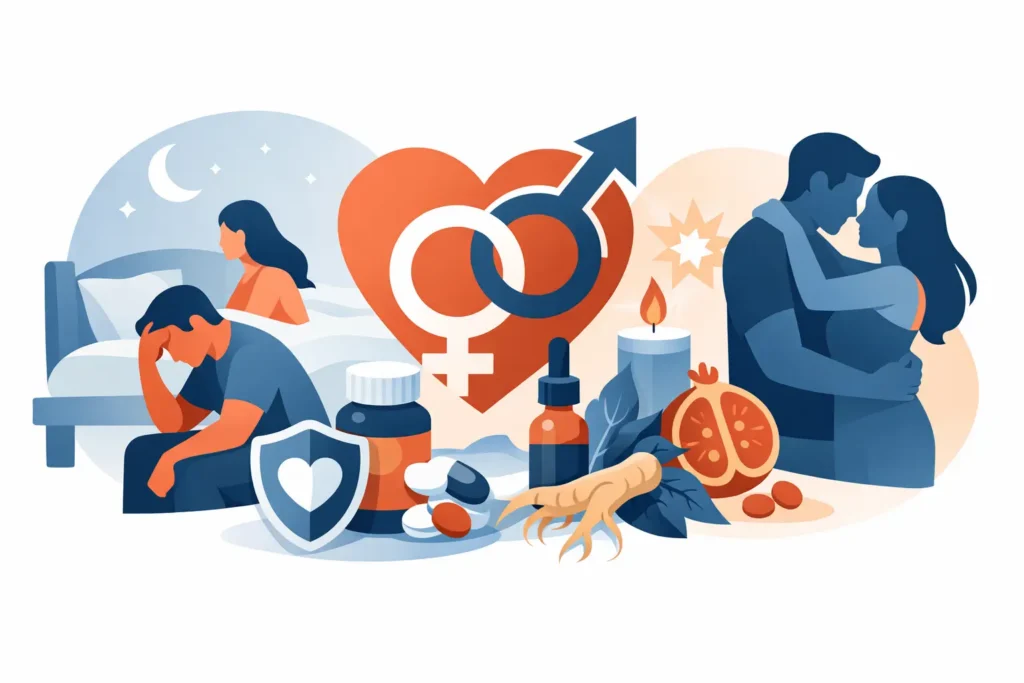
A lower sex drive can feel surprisingly personal. You may still care deeply about your partner, prioritize your health, and want to feel confident in your body, yet notice that desire, arousal, or sexual energy is no longer where it used to be. The best treatments for low libido begin by identifying why that change happened, rather than treating every patient with the same prescription.
Low libido is common in both men and women, especially during periods of high stress, hormonal change, weight fluctuation, poor sleep, illness, or medication use. It is also highly individual. A meaningful change is one that affects your confidence, relationship, comfort, or quality of life. With the right clinical evaluation, many underlying contributors can be addressed.
Why libido changes in the first place
Sexual desire is influenced by far more than hormones. Testosterone, estrogen, thyroid function, blood sugar regulation, circulation, mood, sleep quality, chronic pain, relationship dynamics, and certain medications can all play a role. For some people, libido changes gradually with age. For others, it drops suddenly after starting a new medication, entering perimenopause, recovering from illness, gaining weight, or going through an especially demanding season of life.
This is why generic supplements and internet “boosters” often disappoint. They may overlook a hormone imbalance, untreated anxiety or depression, insulin resistance, sleep apnea, vaginal discomfort, erectile concerns, or a medication side effect that deserves direct attention.
A clinician should also consider whether low desire is accompanied by symptoms such as fatigue, loss of muscle mass, mood changes, irregular periods, hot flashes, vaginal dryness, difficulty with erections, weight changes, or reduced exercise recovery. Those details help shape a plan that supports the whole person, not just one symptom.
Best treatments for low libido start with diagnostics
The most effective care is personalized and medically guided. A comprehensive consultation typically begins with your health history, current medications, lifestyle patterns, goals, and symptoms. Depending on your needs, laboratory testing may assess hormone levels, thyroid markers, metabolic health, nutrient status, and other factors that can affect energy and sexual function.
Body composition can matter, too. Excess visceral fat, low muscle mass, and metabolic changes may affect hormone balance, circulation, stamina, and confidence. A DEXA body composition scan can provide a clearer picture than a scale alone, allowing a care team to build a strategy around your physiology and long-term goals.
Diagnostics do not mean every patient needs extensive testing or treatment. They mean avoiding assumptions. Low libido in a woman navigating perimenopause requires a different conversation than low libido in a man with low testosterone symptoms, or in someone whose desire changed after beginning an antidepressant.
Hormone treatment when a true imbalance is present
Hormone changes are a frequent contributor to reduced libido, but hormone therapy is not a one-size-fits-all solution. Treatment should be based on symptoms, clinical history, appropriate testing, and ongoing monitoring.
Testosterone therapy for eligible men
Low testosterone can contribute to reduced sexual desire, fewer morning erections, low energy, decreased lean muscle mass, depressed mood, and slower workout recovery. For men with clinically confirmed testosterone deficiency, physician-supervised testosterone therapy may improve libido and overall well-being.
The key word is supervised. Testosterone treatment requires proper dosing and follow-up to monitor response and safety. It is not appropriate for every man with fatigue or a low sex drive, and it should never be treated as a shortcut for sleep deprivation, chronic stress, or poor metabolic health.
Menopause and female hormone support
For women, perimenopause and menopause can bring a complex mix of lower desire, vaginal dryness, discomfort during intimacy, disrupted sleep, mood changes, and hot flashes. When clinically appropriate, personalized hormone support may help address these symptoms and improve sexual comfort and quality of life.
Some women may benefit more from local treatment for vaginal dryness or discomfort, while others need a broader discussion of menopausal symptoms and systemic options. The best approach depends on medical history, personal risk factors, and the symptoms causing the greatest impact.
Improve circulation, comfort, and sexual response
Libido and sexual function are connected, but they are not identical. A person may have desire but struggle with physical arousal, sensitivity, discomfort, or erection quality. Addressing those concerns can reduce performance anxiety and make intimacy feel more natural again.
For men experiencing erectile concerns, treatment may include evaluation of cardiovascular and metabolic factors, medication review, hormone assessment, and targeted sexual wellness therapies. Options such as shockwave therapy may be considered for appropriate patients as part of a broader plan to support blood flow and erectile function. Results vary, and a consultation is essential to determine whether it is a suitable option.
For women, vaginal dryness, tissue changes, or discomfort can create an understandable reluctance toward intimacy. Medical treatments that support vaginal health, along with individualized sexual wellness care, may help improve comfort and confidence. No one should feel pressured to “push through” pain. Discomfort is a medical concern worth discussing openly.
Address the foundations that influence desire
Even when hormones are part of the picture, libido rarely improves in isolation. Better sleep, stable blood sugar, regular movement, stress management, and improved body confidence can all support sexual well-being.
A structured weight management program may be valuable for patients dealing with insulin resistance, unwanted weight gain, low energy, or body composition changes. The goal is not simply a smaller number on the scale. It is better metabolic health, greater stamina, improved mobility, and feeling more at home in your body.
Strength training and adequate protein can support lean muscle mass and physical confidence. Consistent sleep supports hormone regulation, mood, and recovery. Limiting excess alcohol and addressing smoking can also support circulation and sexual function. These habits are not a substitute for medical care when an imbalance is present, but they can make treatment more effective and sustainable.
Do not overlook mental health, stress, and relationship factors
A demanding career, caregiving responsibilities, financial pressure, grief, body image concerns, and relationship tension can all affect desire. That does not mean low libido is “all in your head.” It means sexual wellness is connected to the nervous system, emotional safety, and the space you have to feel present.
Counseling, sex therapy, or couples therapy can be especially helpful when communication, anxiety, trauma, or mismatched desire is part of the concern. In some cases, reviewing medications with the prescribing provider is also important. Certain antidepressants, blood pressure medications, and other drugs may affect sexual function, and adjustments may be possible without compromising the condition they are treating.
Choosing a personalized low-libido treatment plan
The right plan should make sense for your symptoms and your life. It may include hormone optimization, metabolic support, targeted sexual wellness treatment, nutrition guidance, stress reduction, or referral to another specialist. For some patients, a single change creates a noticeable difference. For others, lasting improvement comes from addressing several connected factors over time.
At MedSmart Wellness Centers, the focus is on physician-guided evaluation and customized programs that connect diagnostics, treatment, and follow-up. That approach helps patients move beyond temporary fixes and build a plan for stronger energy, confidence, performance, and long-term vitality.
If your sex drive has changed and it is affecting how you feel, do not dismiss it as something you simply have to accept. A thoughtful consultation can provide clarity, rule out treatable causes, and help you take the next step toward feeling like yourself again.