
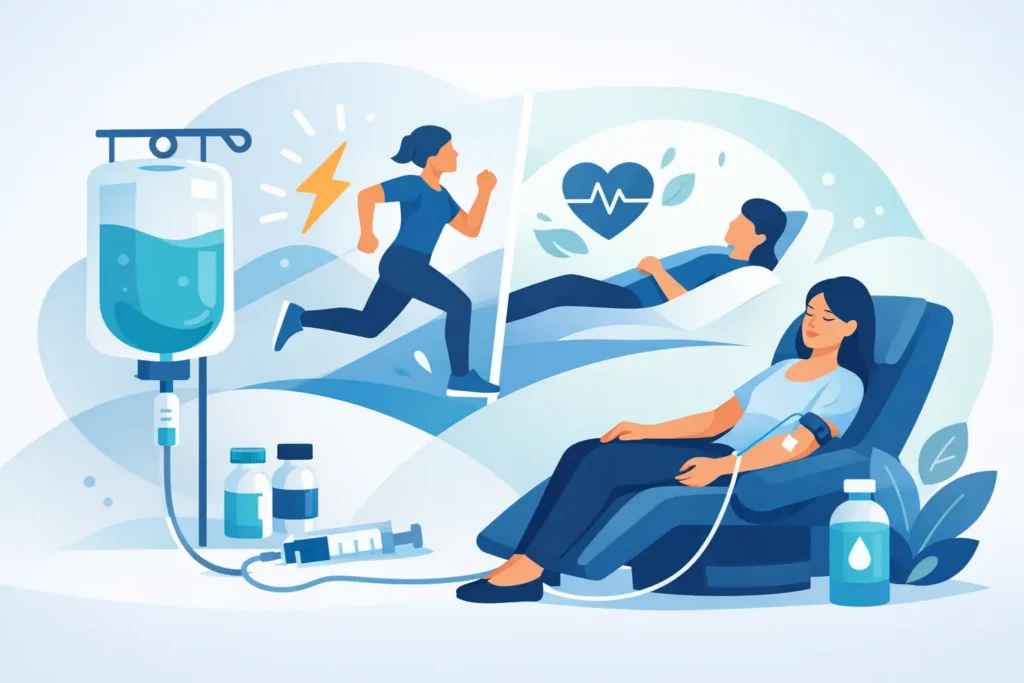
A demanding workweek, intense training schedule, travel, poor sleep, or a recent illness can leave you feeling like water and a multivitamin are not quite enough. That is where IV therapy benefits can be relevant. When clinically appropriate, intravenous hydration and nutrient support can deliver fluids, electrolytes, and selected vitamins directly into the bloodstream, helping patients address short-term depletion while supporting broader wellness goals.
IV therapy is not a substitute for consistent nutrition, restorative sleep, medical care, or a healthy lifestyle. It can, however, be a practical addition to a personalized health plan for adults who want to feel more energized, recover more effectively, and stay proactive about their well-being.
What Is IV Therapy?
IV therapy delivers a sterile fluid solution through a small catheter placed in a vein. Depending on your health history, symptoms, goals, and clinician recommendations, an infusion may include hydration fluids, electrolytes, vitamin C, B vitamins, magnesium, amino acids, or other nutrients.
The key distinction is personalization. A quality IV program should not begin with a menu and a guess. It should begin with a conversation about how you feel, how you train, how you sleep, your medications, existing conditions, recent lab work when applicable, and the outcomes you want to improve.
For someone who is dehydrated after travel or strenuous exercise, the focus may be fluid and electrolyte support. For someone navigating a demanding season at work, a clinician may consider nutrients that support normal energy metabolism. The right formula, frequency, and expectations depend on the person in the chair.
IV Therapy Benefits That Matter in Real Life
The appeal of IV therapy is not simply convenience. It is the ability to receive hydration and selected nutrients in a controlled clinical setting, without relying on digestion and absorption through the gastrointestinal tract. That may be especially appealing when appetite is low, hydration has been difficult, or a patient wants targeted support after a physically demanding period.
Hydration support when you have fallen behind
Dehydration can contribute to fatigue, headache, dizziness, dry mouth, and reduced exercise performance. It may happen after long flights, outdoor activities in South Florida heat, alcohol intake, gastrointestinal illness, or simply a week of not drinking enough water.
An IV hydration treatment can replenish fluids efficiently when a clinician determines it is appropriate. Many patients report feeling more refreshed afterward, though the degree of improvement depends on whether dehydration was actually contributing to their symptoms. If fatigue is persistent or severe, it deserves a proper medical evaluation rather than repeated hydration alone.
Support for energy and mental clarity
Low energy is rarely caused by one thing. It can reflect poor sleep, high stress, inconsistent meals, dehydration, low iron, thyroid concerns, hormonal changes, medication effects, depression, or other health conditions. That is why a generic “energy drip” is not a full answer.
Still, hydration and nutrients involved in normal cellular energy processes may be helpful for patients whose intake has been inadequate or whose lifestyle has left them depleted. A personalized infusion can complement a broader strategy that may also include lab testing, body composition assessment, nutrition guidance, sleep improvement, and hormone evaluation when clinically indicated.
Exercise recovery and performance support
Training hard is only productive when recovery keeps pace. Fluid loss, sweat-related electrolyte changes, muscle soreness, and inconsistent nutrition can make it harder to feel ready for the next workout.
IV therapy may support hydration and recovery after demanding exercise, particularly for people who struggle to rehydrate orally. It is not a replacement for protein intake, carbohydrates, mobility work, and adequate rest. Think of it as one possible recovery tool within a plan built around the fundamentals that drive long-term performance.
Nutrient support for demanding schedules
Busy professionals often eat on the run, travel frequently, and push through fatigue until it becomes their baseline. An IV treatment can provide a convenient, clinician-guided way to receive selected vitamins and minerals during a period of increased demand.
That does not mean every patient needs routine infusions. The more valuable question is whether a treatment aligns with your symptoms, habits, lab findings, and goals. For some people, improving food quality and taking an oral supplement may be sufficient. For others, IV support can be a useful complement to a more comprehensive wellness program.
A wellness reset that encourages better habits
There is also a practical behavioral benefit. Scheduling time for a treatment can create a pause in a packed routine – a moment to check in on hydration, nutrition, recovery, stress, and health goals. The infusion itself may help you feel supported, but the bigger opportunity is using that visit to build consistency around your health.
For patients focused on longevity and body optimization, this matters. Better results tend to come from coordinated care, not isolated appointments. IV therapy can fit alongside weight management, hormone optimization, peptide therapy, body composition tracking, and aesthetic care when each service has a clear role in the larger plan.
Who May Benefit From IV Therapy?
A clinician may recommend IV therapy for adults looking for hydration support, exercise recovery, travel recovery, nutrient supplementation, or wellness support during periods of high physical or mental demand. It may also be considered for patients who have trouble tolerating oral fluids or supplements, depending on the situation.
The right candidate is not simply someone who wants the strongest formula available. It is someone who can be safely evaluated and matched with an infusion that makes sense for their current needs.
IV therapy may not be appropriate for everyone. People with kidney disease, heart failure, uncontrolled high blood pressure, certain electrolyte disorders, pregnancy considerations, or a history of reactions to infusion ingredients need individualized medical guidance. Some vitamins and minerals can interact with medications or be inappropriate at high doses. A qualified provider should review your history before treatment.
Why Clinical Oversight Changes the Experience
Wellness treatments should feel comfortable, but they should also be medically responsible. A clinician-guided IV visit includes an assessment of your goals, relevant symptoms, medications, allergies, and health conditions. The team should use proper sterile technique, monitor your comfort during the infusion, and be prepared to respond if you experience side effects.
Most patients tolerate IV therapy well, but mild bruising, temporary discomfort at the insertion site, a cool sensation in the arm, or a metallic taste can occur. More serious complications are uncommon but possible, including infection, vein irritation, fluid overload, or reactions to ingredients. This is exactly why receiving treatment in a professional medical setting matters.
At MedSmart Wellness Center, IV therapy is approached as part of personalized care, not as a one-size-fits-all refresh. Your plan can be informed by your lifestyle, current concerns, and longer-term goals so each treatment supports a clear purpose.
How to Get More From Your IV Therapy Plan
The best results begin before your appointment. Arrive having eaten if your clinician advises it, wear comfortable clothing, and be honest about medications, supplements, symptoms, and recent health changes. Do not minimize chronic conditions in the interest of getting a treatment quickly.
Afterward, continue drinking water, eat balanced meals, and pay attention to how you feel over the next day or two. If you notice unusual symptoms, contact your provider. More importantly, use the visit as useful feedback: if you continually feel depleted, your body may be asking for more than occasional hydration.
Persistent fatigue, recurring headaches, reduced performance, poor sleep, or unexplained changes in weight and mood are worth exploring with a comprehensive evaluation. A thoughtful wellness plan identifies the underlying drivers and uses IV therapy where it can add meaningful support.
Feeling better should not be left to chance or a temporary fix. A personalized consultation can help determine whether IV therapy fits your needs and what other steps may help you build stronger energy, recovery, and confidence over time.